
A Common-Sense Fix to Huntington’s Transit Levy Language
Removing outdated restrictions so TTA can protect bus service and take care of Pullman Square

Public transportation is essential.
So is a strong, active downtown.
For decades, Huntington residents have supported public transit through voter-approved levies because predictable funding allows the Tri-State Transit Authority to plan, operate responsibly, and leverage federal dollars.
This year, Huntington voters will again be asked to decide whether to continue funding TTA for another five-year period. As part of that process, I have been working closely with TTA leadership to ensure the levy language reflects today’s reality and gives the Authority the flexibility to responsibly invest the tax dollars it receives from Huntington residents, including in Pullman Square, its largest asset.
In 1986, the ballot said the levy was “for the purpose of providing sufficient local funding to the Tri-State Transit Authority (TTA) to continue bus service to the City of Huntington entered on the [date].”
That original ballot language has been carried over and used on every levy since then. Understandably, the writers of the original levy did not envision that the TTA would become a commercial landlord that would require capital investments to maintain their property.
Updating this language in the next levy that would begin in Fiscal Year 2028 would provide TTA the flexibility, but not the obligation, to use the proceeds of the voter-approved levy to invest in the TTA-owned portions of Pullman Square.
This is about alignment. It is about ensuring that people who depend on transit, including the thousands who rely on the bus to get to the grocery store, to work, or to critical medical appointments like dialysis, continue to have reliable service. At the same time, it is about protecting long-standing public investments in Pullman Square so they are properly maintained and positioned to serve the community well into the future.
The Reality We Face
Before the early 1980s, transit service in the Huntington area was funded largely through general fund contributions from the City of Huntington and Cabell County. That approach proved unstable. Transit competed annually with police, fire, streets, and other core services, making long-term planning difficult.
Beginning in the early 1980s, the community shifted to voter-approved local levies, creating a dedicated funding source for transit. That model has worked for decades.
Today, the Tri-State Transit Authority relies on two voter-approved levies to support transit service in the region: one approved by voters in the City of Huntington and one approved by voters in Cabell County.
Together, these levies:
Are approved for fixed terms, typically five years
Fund a significant share of operating costs
Are used to secure federal transit matching funds
Are supported by Huntington, Cabell County, and surrounding municipalities
The current City levy runs from Fiscal Year 2022 through Fiscal Year 2027 and provides the TTA with $8.8 million from the City of Huntington.
The question before us is not whether transit matters. It does.
The question is whether levy language written four decades ago fits the way the system operates today.
TTA Became a Landlord When Pullman Square was Built
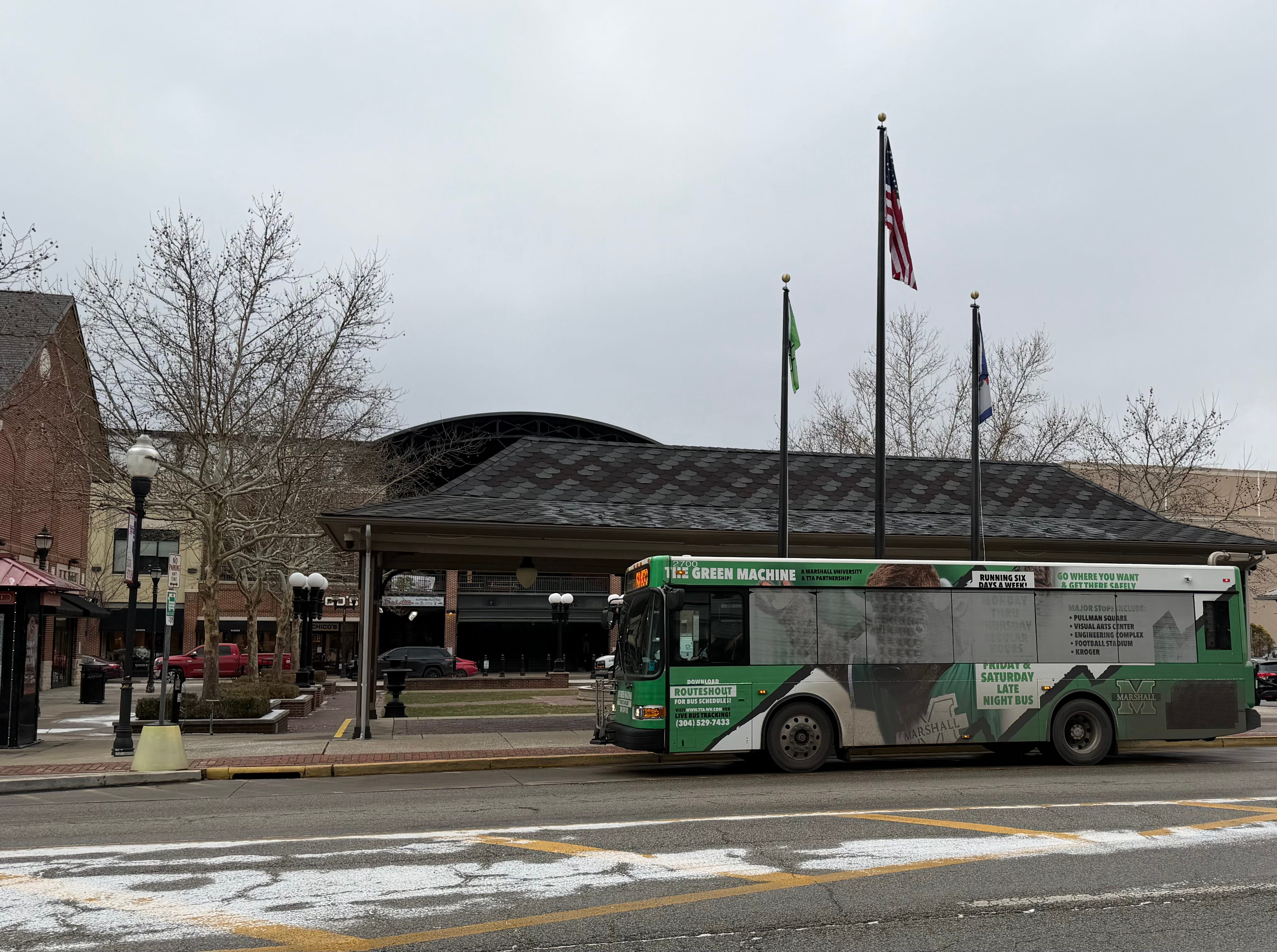
In the early 2000s, TTA served as the local partner for Federal Transit Administration capital grants used to construct the Intermodal Facility at Pullman Square. Under federal rules, only an eligible transit authority could receive and manage those funds.
As a result:
TTA became the owner of the intermodal facility, Pullman Square parking garages, common area spaces, and the underlying footprint for a substantial portion of Pullman Square
Transit infrastructure was intentionally integrated into downtown redevelopment
Pullman Square became both a transportation hub and an economic anchor
According to TTA’s Fiscal Year 2025 Annual Report, the Intermodal Facility at Pullman Square remains the single largest fixed asset owned by the Authority, valued at approximately $17.8 million after depreciation, exceeding both the $9.8 million held in capital reserves and the $6.6 million value of the bus fleet.
How Pullman Square Is Structured Today
Pullman Square operates under a shared ownership and leasing structure.
The City of Huntington, through a majority investment in Metropolitan Huntington LLC, owns the retail and restaurant portions of Pullman Square.
That majority ownership position was acquired in 2022 using a combination of $7 million in federal COVID relief funds and approximately $8 million in bank financing, allowing the City to purchase a controlling interest in Metropolitan Huntington and stabilize the future of Pullman Square during a period of economic uncertainty.
Metropolitan Huntington operates Pullman Square, collects rent from private tenants, and holds a long-term lease with TTA for the portions of the property owned by the Authority.
The Tri-State Transit Authority owns:
The intermodal transit center
The Pullman Square parking garages
Common area spaces
The underlying footprint for a substantial portion of the development
Notably, 14 of the 16 movie screens in the theater are located on property owned by TTA.
Over time, TTA has collected approximately $5 million in rent related to Pullman Square.
The Real Choice in Front of Us
Pullman Square remains a success, but it is now more than 20 years old. Like any major facility, it requires reinvestment to remain competitive.
The levy language currently governing TTA funds was written almost entirely around bus operations. It did not anticipate:
TTA acting as a long-term commercial landlord
The City indirectly holding majority ownership in Pullman Square
The joint responsibility to reinvest in a major downtown facility tied directly to transit infrastructure
Updating the levy language creates an opportunity for TTA, if it chooses, to invest in maintaining and improving its largest asset, Pullman Square, in a way that protects transit operations, strengthens the long-term value of public infrastructure, and serves the people who eat, shop, and park at Pullman Square.
Any such investment would be balanced against operating needs and subject to existing oversight. It would not reduce core transit service.
The choice is whether we leave outdated language in place or update it so policy matches reality.
The Path Forward
The City is discussing with TTA leadership ways to modernize the levy language so it:
Continues to protect transit operations
Preserves strong reserves and fiscal discipline
Allows responsible reinvestment in the Intermodal Facility and related infrastructure
Any updated levy would:
Not affect the current levy, which provides approximately $2 million this year and $2 million next year
Not take effect until Fiscal Year 2028
Require voter approval, either at the May primary election or the November general election
TTA is well run and financially secure. It maintains approximately $9.8 million in capital reserves, exceeding annual operating expenses of about $7.5 million, and has a fully funded pension plan. These are clear indicators of strong and responsible financial management.
If the levy is not renewed or updated, TTA risks:
Losing the local match required for federal funds
Facing bus service reductions inside the City
Creating instability for riders and employees
Updating the language in the proposed levy is prudent and an example of good government.
TTA is governed by capable people who care deeply about this city and the riders who rely on transit every day.
This effort is about stewardship.
It is about keeping transit strong, downtown vibrant, and public assets well maintained.
At its core, this is about supporting the people who rely on transit, taking care of what we already own, and making sure Huntington’s investments continue to serve people well for decades to come.